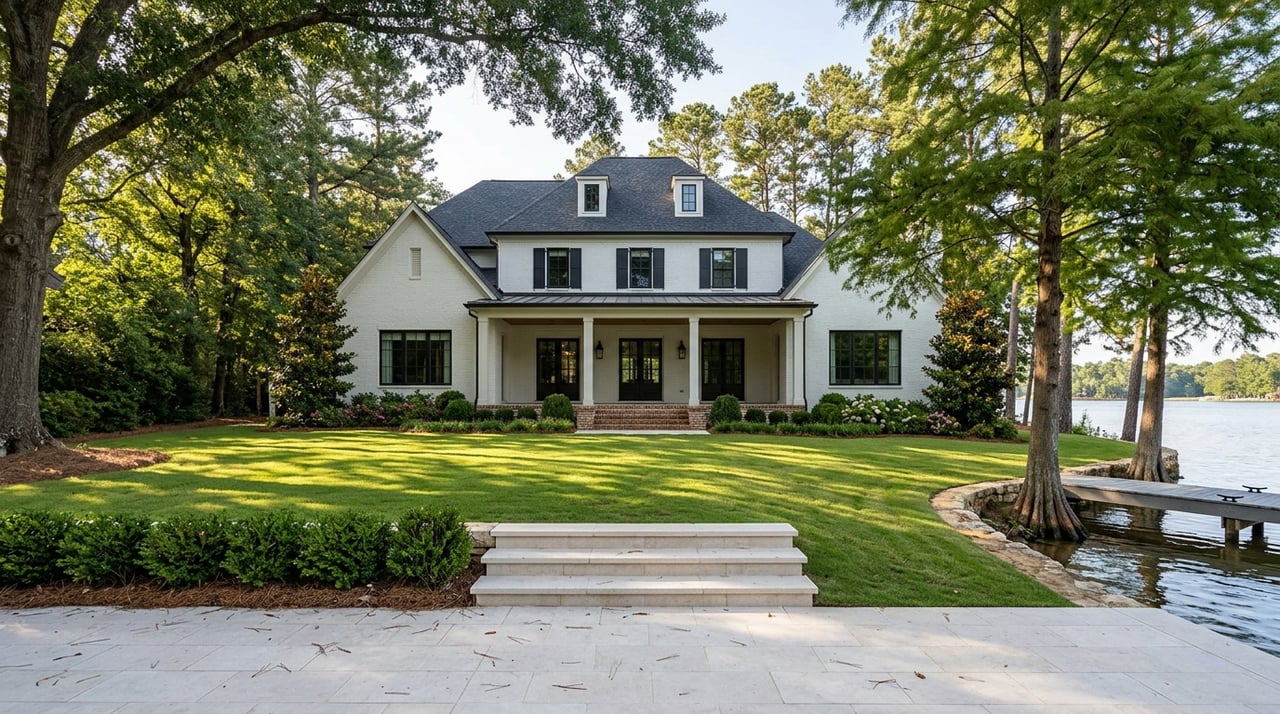
Dreaming about lakefront living in East Texas? Lake Jacksonville offers a different kind of waterfront experience, one shaped by clear water, wooded surroundings, residential shoreline, and city rules that influence how you use the property. If you are thinking about buying or selling near Lake Jacksonville, understanding both the lifestyle and the lot details can help you make a smarter move. Let’s dive in.
Why Lake Jacksonville Stands Out
Lake Jacksonville sits in Cherokee County, about three to four miles southwest of downtown Jacksonville. It is a city-controlled reservoir on Gum Creek, identified by the Texas Water Development Board as a 1,208-acre reservoir, while the city’s recreation materials round the lake recreation area to 1,325 acres of water.
That city-controlled setup matters. Unlike some resort-style lakes, Lake Jacksonville was built for municipal water supply first, not recreation. As a result, shoreline use is more regulated, which can shape everything from dock approvals to what you can build on a lot.
What Daily Life Feels Like
The setting around Lake Jacksonville blends water views with established residential development. State sources describe the lake as clear and low in productivity, with about 40% of the shoreline bulkheaded and wooded land around the lake made up of mixed hardwood and pine.
For you as a buyer or homeowner, that often means the lake feels practical and lived-in rather than remote or untouched. You may find developed lots, retaining walls, and direct access points more often than wide stretches of natural shoreline.
Privacy can also vary from one property to the next. The mix of wooded lots, shoreline improvements, and nearby homes means each parcel has its own feel, which makes in-person evaluation especially important.
Recreation Around Lake Jacksonville
One of the biggest lifestyle perks here is access to public recreation. The city’s lake area includes public campgrounds, a beach, a swimming pier, and a boat launch, along with shower and restroom facilities.
The campground map also shows three boat ramps, two public swimming areas, screened shelters, RV pads, and grass campsites. That broad amenity mix supports both day trips and overnight stays, which adds energy to the lake on weekends and during warmer months.
The city also hosts an annual Independence Day fireworks show at the lake. Seasonal wildlife viewing is another draw, with city materials noting deer, red fox, and winter bald eagles.
What the Weekly Rhythm Looks Like
If you are considering a home here, it helps to picture the pace of the lake from one day to the next. Based on the city’s public recreation offerings, overnight campground options, and event calendar, weekdays are likely quieter, while weekends, holidays, and summer periods bring more boating, swimming, fishing, and camping activity.
That rhythm can be a plus if you want a property that feels peaceful during the week but lively when family and friends come to visit. It can also matter if you are selling, because buyers often respond strongly to how a lake home fits both everyday living and weekend use.
Fishing Is Part of the Lifestyle
Fishing is a big part of Lake Jacksonville’s identity. Texas Parks and Wildlife notes that the lake has produced largemouth bass over 15 pounds and supports largemouth bass, spotted bass, crappie, and catfish.
The lake is described as a challenging but rewarding fishery. Its clear water and low productivity create a different kind of fishing experience than some other East Texas lakes, which can appeal to anglers who appreciate the challenge.
If you plan to fish public waters here, you need a valid Texas fishing license with the proper freshwater endorsement. City rules also add local restrictions on bait, commercial fishing, trotlines near public recreation areas, and fishing near the raw-water intake.
Waterfront Homes Are Not One-Size-Fits-All
The housing story at Lake Jacksonville is more nuanced than simply “waterfront” or “not waterfront.” The city’s rules distinguish between shoreline lots, non-shoreline lots, and trailer-area lots, and those categories can affect what is allowed on a property.
This is one of the most important things to understand before you buy. A parcel with water access or a lake view may still come with specific limits on structures, guest spaces, or waterfront improvements.
Current listing activity points to a relatively niche but active market. Portal inventory referenced in the research report showed 18 waterfront listings and 30 single-family listings in the lake area, suggesting limited supply with a range of options still available.
What Homes and Lots May Include
The active listing mix around Lake Jacksonville appears broad rather than uniform. Recent listing examples in the research report included a custom ranch-style home on three lots with 392 feet of waterfront, a split-level waterfront home, a remodeled lakefront property, and a 1-acre waterfront parcel with room for another home or boathouse.
You may also see features such as mature trees, generous shoreline frontage, private boathouses, boat lifts, retaining walls, and multi-lot setups. For many buyers, those lot characteristics are just as important as square footage or interior finishes.
That is especially true at a lake where shoreline improvements and placement can affect usability. A beautiful home is only part of the picture if your priority is boating, fishing, or entertaining by the water.
Lake Rules Buyers Need to Know
Lake Jacksonville has unusually specific city rules, especially for city-owned lease lots. In general, the rules allow one single-family residence per lot, require a minimum of 500 square feet of living area, and allow one guest residence only with city approval.
Short-term rentals are prohibited on city-owned lease lots. Mobile and modular homes are limited to designated areas, and habitable structures with sleeping quarters or bathrooms are generally not allowed over the water outside the concession area.
Docks and boathouses also require city approval. The rules limit how far structures can extend from the shoreline, prohibit commercial use on the water, and restrict new boat launches, marinas, docks, or floating fishing piers within 1,000 feet of the raw-water intake.
Why Due Diligence Matters Here
Because of those rules, Lake Jacksonville is not a free-form waterfront market. Before you assume you can add a dock, build a guest house, or expand improvements, you need to confirm what the specific parcel allows.
For buyers, that means reviewing lot status, shoreline designation, and any city approval requirements early in the process. For sellers, it means having clear information ready about the lot, structures, waterfront access, and any approved improvements.
This kind of detail can affect value, buyer confidence, and how smoothly a transaction moves forward. In a market like this, local guidance matters because lifestyle appeal and property rules are closely tied together.
What Lake Jacksonville Means for Buyers
Lake Jacksonville can be a strong fit if you want an East Texas lake lifestyle with public recreation nearby and a more established residential shoreline. It may also appeal to buyers who prefer an ownership pattern shaped more around personal use and long-term enjoyment than short-term rental turnover.
If you are shopping here, focus on the details that affect everyday life. Think about frontage, bulkhead or retaining wall condition, dock or boathouse approvals, tree cover, weekend activity near your lot, and whether the home works better for full-time living or occasional use.
The right property depends on your goals. Some buyers want a quiet place to enjoy weekday sunsets, while others want room for guests, boats, and holiday weekends.
What Lake Jacksonville Means for Sellers
If you are selling a Lake Jacksonville property, the lot story often carries as much weight as the house itself. Buyers are likely to care about shoreline footage, water access, trees, retaining walls, dock setup, and the overall usability of the waterfront.
That means your marketing should highlight practical benefits, not just scenic views. A well-explained lot layout, approved improvements, and clear expectations around lake rules can help your property stand out in a market with limited inventory and varied parcel types.
It also helps to frame the lifestyle honestly. Lake Jacksonville offers real recreation access, fishing appeal, and an East Texas waterfront setting, but buyers benefit most when they understand both the opportunities and the regulations that come with it.
If you are considering a move on or around Lake Jacksonville, working with a team that understands East Texas waterfront property can make the process more informed and less stressful. When you are ready to talk through buying, selling, or evaluating a lake-area home, connect with The Agency Tyler.
FAQs
What is Lake Jacksonville known for in Cherokee County?
- Lake Jacksonville is known for waterfront living, public recreation, boating, camping, swimming, wildlife viewing, and a popular bass fishery in an East Texas lake setting.
What should buyers know about Lake Jacksonville waterfront lots?
- Buyers should verify whether a lot is shoreline, non-shoreline, or in the trailer area, and confirm city rules for docks, boathouses, guest residences, and other improvements before making assumptions.
Are short-term rentals allowed on Lake Jacksonville lease lots?
- No. The city’s 2025 lake rules prohibit short-term rentals on city-owned lease lots.
What recreation amenities are available at Lake Jacksonville?
- The city recreation area includes campgrounds, a beach, a swimming pier, boat launches, public swimming areas, RV pads, screened shelters, grass campsites, and restroom and shower facilities.
What types of homes are available around Lake Jacksonville?
- The market includes a mix of waterfront and lake-area homes, with features that may include multi-lot parcels, mature trees, retaining walls, docks, boat lifts, and a range of home styles and sizes.
Why is due diligence important for Lake Jacksonville real estate?
- Due diligence matters because city oversight and lot-specific rules can affect what you can build, whether waterfront structures are allowed, and how you can use the property over time.