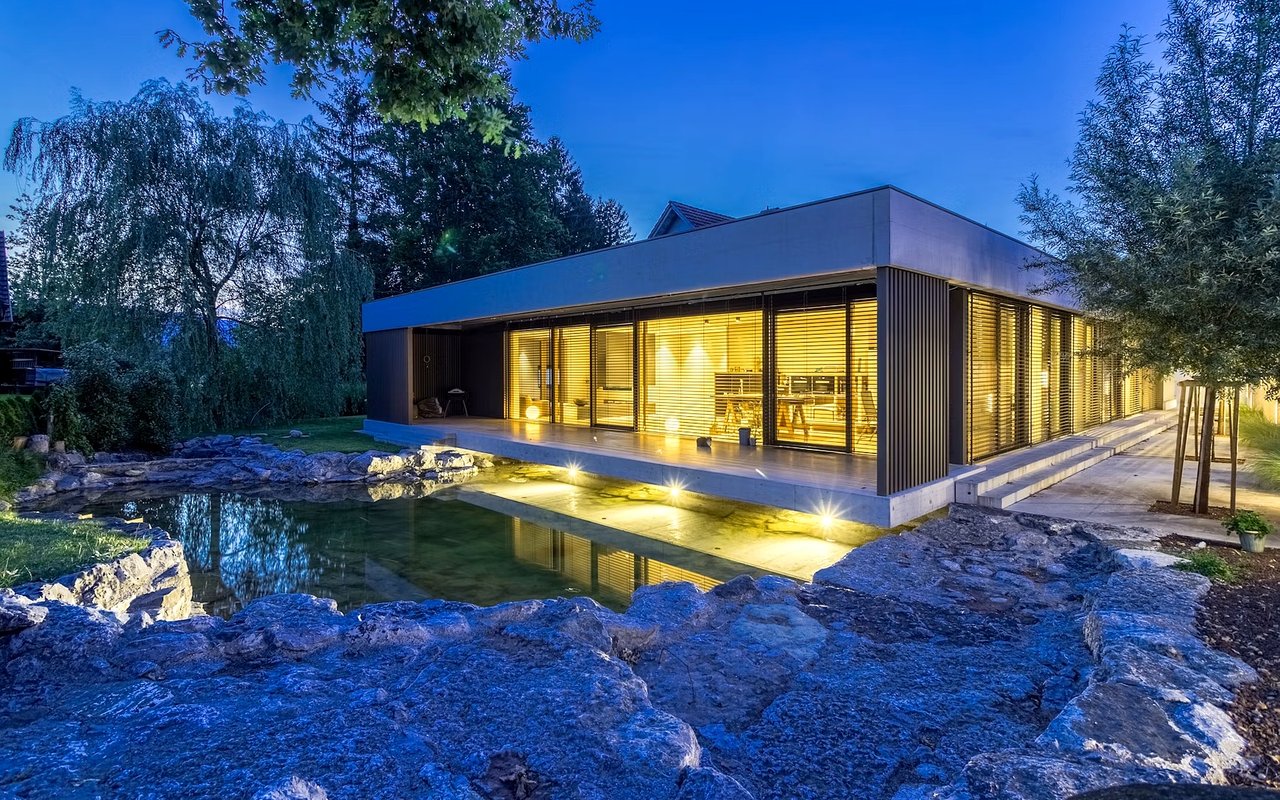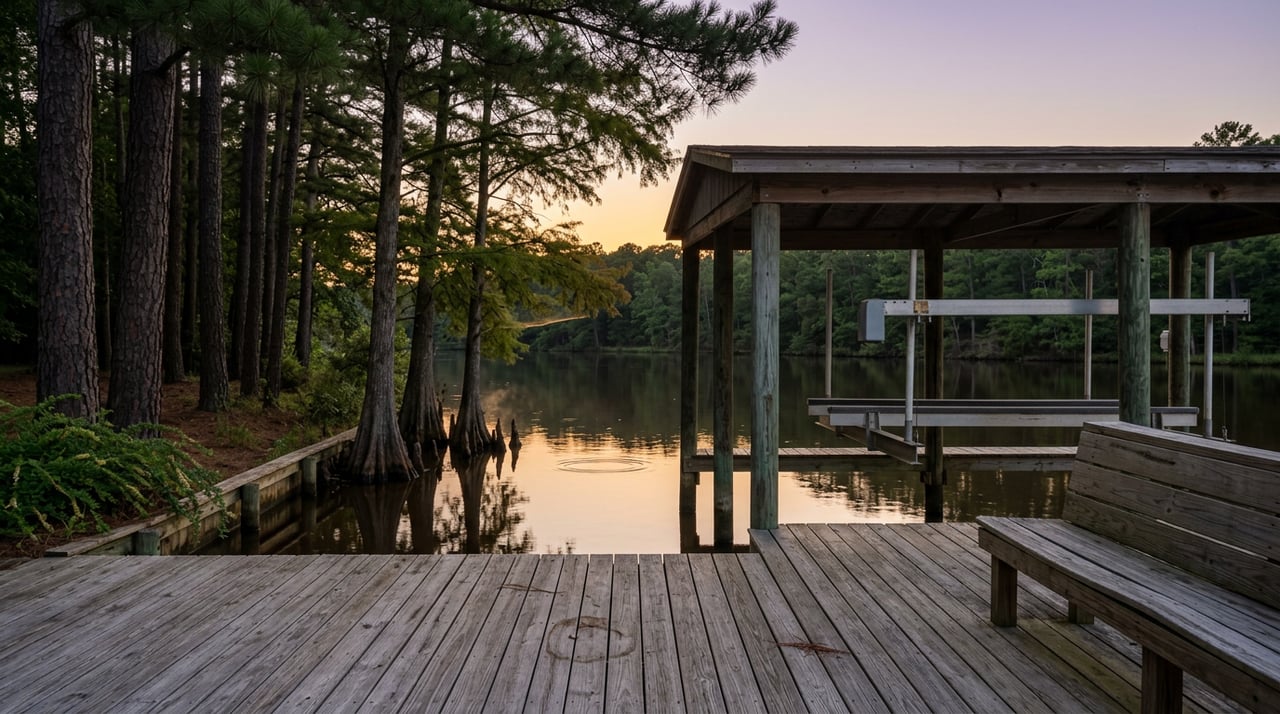
Dreaming about a place on Lake Palestine where you can slip away for weekends, summer mornings, and holiday gatherings? A second home on the lake can offer the East Texas lifestyle many buyers want, but the smartest purchases go far beyond finding a pretty view. If you are considering a lake property near Palestine and the surrounding Lake Palestine shoreline, this guide will help you think through access, permits, insurance, financing, and real-world upkeep before you buy. Let’s dive in.
Why Lake Palestine appeals to second-home buyers
Lake Palestine is a large East Texas reservoir on the Neches River, located about four miles east of Frankston and spanning parts of Anderson, Henderson, Smith, and Cherokee counties. According to the Texas Water Development Board, it covers 23,112 acres at conservation pool and holds 367,312 acre-feet of storage, which helps explain why it remains such a draw for boating, fishing, and waterfront living.
For many buyers, the appeal is simple. You get a place that feels like an escape without leaving East Texas, plus a property that can support long weekends, family time, and seasonal recreation. That said, a second home here works best when you look at the full ownership picture, not just the house.
Think beyond the house itself
With Lake Palestine properties, the home is only one part of the decision. Your day-to-day experience may depend just as much on shoreline access, the condition of the dock, the type of boat ramp nearby, and whether any improvements were properly permitted.
That is especially important because not every lake property offers the same kind of access. Some homes are true waterfront properties, some are near-lake homes in subdivisions, and some are lots that still need to be built out. Each option comes with a different ownership experience, maintenance load, and due-diligence checklist.
Waterfront, near-lake, and build-ready lots
A true waterfront property may offer direct access to the shoreline, but you still need to verify what is actually usable. A dock, boathouse, retaining wall, or shoreline setup may look like a major value-add, yet that value depends on legal status, condition, and ongoing compliance.
A near-lake home in a subdivision may be a better fit if you want lower maintenance and easier ownership. You may give up direct water access, but you could still enjoy the lake lifestyle if the property is close to a public or private launch.
A lot that needs build-out can be appealing if you want to create something custom. Still, you will want to understand shoreline rules, utility needs, sewage requirements, and improvement approvals before you assume the site will work the way you hope.
Lake access matters more than many buyers expect
Texas Parks and Wildlife says Lake Palestine has five public boat launches and more than a dozen private marinas, motels, and campgrounds with additional ramps and services. That sounds convenient, but there is a catch. Access varies by site, and some ramps fit all boat sizes while others are better suited for small boats or bank launching.
In practical terms, your ownership experience may change based on which side of the lake you are on and how close you are to the type of launch you actually need. A beautiful house can lose some of its shine if towing, launching, or storing your boat becomes harder than expected.
What to check about ramps and marinas
Before you buy, ask questions like these:
- Which public or private ramp is closest to the property?
- Does that launch accommodate your boat size?
- Is the launch public or privately operated?
- Are there launch fees?
- Would a nearby marina better fit your routine than an at-home dock?
Representative access points named by TPWD include Chandler River Park, Villages Marina, Flat Creek, Lake Palestine Marina, Saline Bay, Deep End Public Ramp, Cherokee Landing, and Chimney Creek Landing. That variety is a plus, but buyers should still confirm what works best for their specific plans.
Shoreline permits can affect value
One of the biggest second-home mistakes on Lake Palestine is assuming that every existing shoreline improvement is fully approved and easy to keep. The Upper Neches River Municipal Water Authority requires permits for docks, boathouses, bulkheads, canals, fences, and other improvements on Authority land.
The Authority also notes that owners or lessees abutting the shoreline boundary may need Limited Use Permits. On top of that, permits can be revoked if a pier, boathouse, or similar structure is not maintained in a safe and usable condition. In other words, a dock is not just an amenity. It is an improvement with rules, responsibilities, and potential future cost.
Why permit history matters
If a property includes a dock or boathouse, you should confirm whether it was properly permitted and whether that status can transfer or continue after closing. You should also ask about the age and condition of the structure, because maintenance is not optional if you want to protect safe use and permit standing.
This is one reason waterfront value on Lake Palestine is closely tied to more than square footage. Usable access, legal improvements, and shoreline condition can shape both enjoyment and long-term appeal.
Septic and shoreline rules deserve close review
For some buyers, the least visible issues carry the biggest risk. The Upper Neches River Municipal Water Authority states that on-site sewage systems within 525 feet of the shoreline boundary fall under its Water Quality Zone permitting process.
That means if the home uses an on-site sewage system, you should find out whether it falls within that regulated area. If it does, the permitting history and current compliance status deserve careful review before you move forward.
Seasonal use may shape your buying decision
Many second-home buyers picture nonstop summer use, but your actual routine may look different. TPWD describes Lake Palestine as moderately clear with a listed fluctuation of 2.2 feet, and notes aquatic vegetation in the upper end and creek arms, especially Kickapoo Creek.
Seasonal recreation also changes throughout the year. TPWD says white bass are particularly active during the spring run up the Neches River and Kickapoo Creeks, while hybrid stripers and white bass are especially active from the dam to Highway 155 in winter and spring.
Add in Tyler’s July normal average high of 94.5 degrees and average low of 74.5 degrees, and many owners may find themselves using a lake home most heavily in spring, early summer, and on weekends rather than treating it like a constant retreat during the hottest stretch of the year. That is not a drawback. It is simply a good reminder to buy based on how you will really use the property.
Financing a second home is not the same as buying a primary residence
If you plan to finance your Lake Palestine purchase as a second home, classification matters. Fannie Mae says a second home must be occupied by the borrower for some portion of the year, be a one-unit dwelling, be suitable for year-round occupancy, remain under the borrower’s exclusive control, and not be a rental property or timeshare.
That last point catches many buyers off guard. If rental income exists, it cannot be used to qualify the loan as a second home. If you are thinking about any rental use, it is important to ask early whether the lender may instead classify the property as an investment property.
Ask your lender early
A short conversation up front can save you time and frustration later. Ask how the property would be classified based on your intended use, and make sure your financing plan matches your real goals for the home.
Property taxes and insurance need a realistic budget
Second-home buyers sometimes focus so much on the purchase price that they underbudget for ownership. In Texas, the general residence homestead exemption applies only when the home is your principal residence. That means a second home on Lake Palestine generally will not qualify for that exemption.
Insurance deserves the same level of attention. The Texas Department of Insurance reminds buyers that a homeowners policy does not cover flood damage and recommends checking FEMA flood maps and historical flood-risk data before purchasing.
Build a full ownership budget
Your budget should account for more than principal and interest. It should also include:
- Property taxes without assuming a homestead exemption
- Flood insurance if needed or desired
- Dock and shoreline maintenance
- Permit-related upkeep or compliance costs
- Boat storage, registration, and operating expenses
- A reserve for repairs tied to weather and waterfront wear
Boat ownership adds another layer
If your second home plan includes boating, make room for the practical side of ownership. TPWD notes separate title and registration considerations for boats. It also requires boater education for operators born on or after September 1, 1993.
Safety and lake stewardship matter too. TPWD says children under 13 on vessels under 26 feet must wear a U.S. Coast Guard-approved personal flotation device while underway, and boats and gear must be drained to help prevent the spread of invasive species.
A smart due-diligence checklist for Lake Palestine buyers
When you tour Lake Palestine second homes, keep this checklist handy:
- Confirm whether the property is true waterfront, near-lake, or build-ready land
- Verify actual shoreline access and how usable it is
- Review permit status for any dock, boathouse, bulkhead, or other shoreline improvement
- Ask whether any on-site sewage system falls within the Water Quality Zone
- Check the flood zone and get a flood insurance quote if appropriate
- Identify the nearest ramp or marina and confirm it fits your boating needs
- Ask your lender whether the home qualifies as a second home or investment property
- Set an annual reserve for dock, shoreline, and boat-related maintenance
The best second-home purchases are informed ones
A Lake Palestine home can be a rewarding lifestyle purchase, especially if you want an East Texas getaway that supports boating, fishing, and time on the water. The key is to approach the property as a full system of house, shoreline, access, permits, insurance, and upkeep.
When you do that, you put yourself in a much stronger position to choose a home that fits your goals and avoids costly surprises. If you want local guidance as you compare waterfront options, near-lake homes, or land opportunities around Lake Palestine, The Agency Tyler can help you navigate the details with clarity and confidence.
FAQs
What should buyers check before purchasing a Lake Palestine second home?
- Buyers should verify shoreline access, dock or boathouse permit status, nearby ramp options, flood risk, sewage system compliance, financing classification, and ongoing maintenance costs.
How do shoreline permits affect Lake Palestine waterfront property?
- The Upper Neches River Municipal Water Authority requires permits for many shoreline improvements, including docks and boathouses, and permit status and maintenance condition can affect continued use.
Can a Lake Palestine second home qualify for a Texas homestead exemption?
- Generally no. Texas limits the general residence homestead exemption to a homeowner’s principal residence.
Does homeowners insurance cover flood damage at a Lake Palestine second home?
- No. The Texas Department of Insurance says standard homeowners insurance does not cover flood damage, so buyers should review flood risk and flood insurance options before purchasing.
Can a Lake Palestine property be financed as a second home if rental use is planned?
- Buyers should ask their lender early, because second-home classification depends on occupancy and use, and rental income cannot be used to qualify the loan as a second home.
Why does boat launch access matter for Lake Palestine buyers?
- Launch access varies around the lake by location, boat-size suitability, and whether the ramp is public or private, so convenience on the water may depend heavily on the property’s nearby access points.