By The Agency Tyler
Every historic home in Tyler has a personality built into its walls. The steep gables and casement windows of a 1930s Tudor in the Azalea District ask for one thing, and the wide porch and exposed rafters of a Craftsman bungalow off the brick streets invite another. Decorating these homes well starts with listening to what the house already wants to be. We spend a lot of time in these neighborhoods, and the owners who get it right share the same few instincts.
Key Takeaways
- Match your palette and furnishings to the home's actual style, from Azalea District Tudors to Charnwood Victorians
- The most livable historic homes hide their modern systems and show off their original craftsmanship
- Original heart-pine floors, plaster, and wood windows are usually worth restoring rather than replacing
- Reversible updates protect resale value in Tyler's National Register districts
Design for Your Home's Actual Era
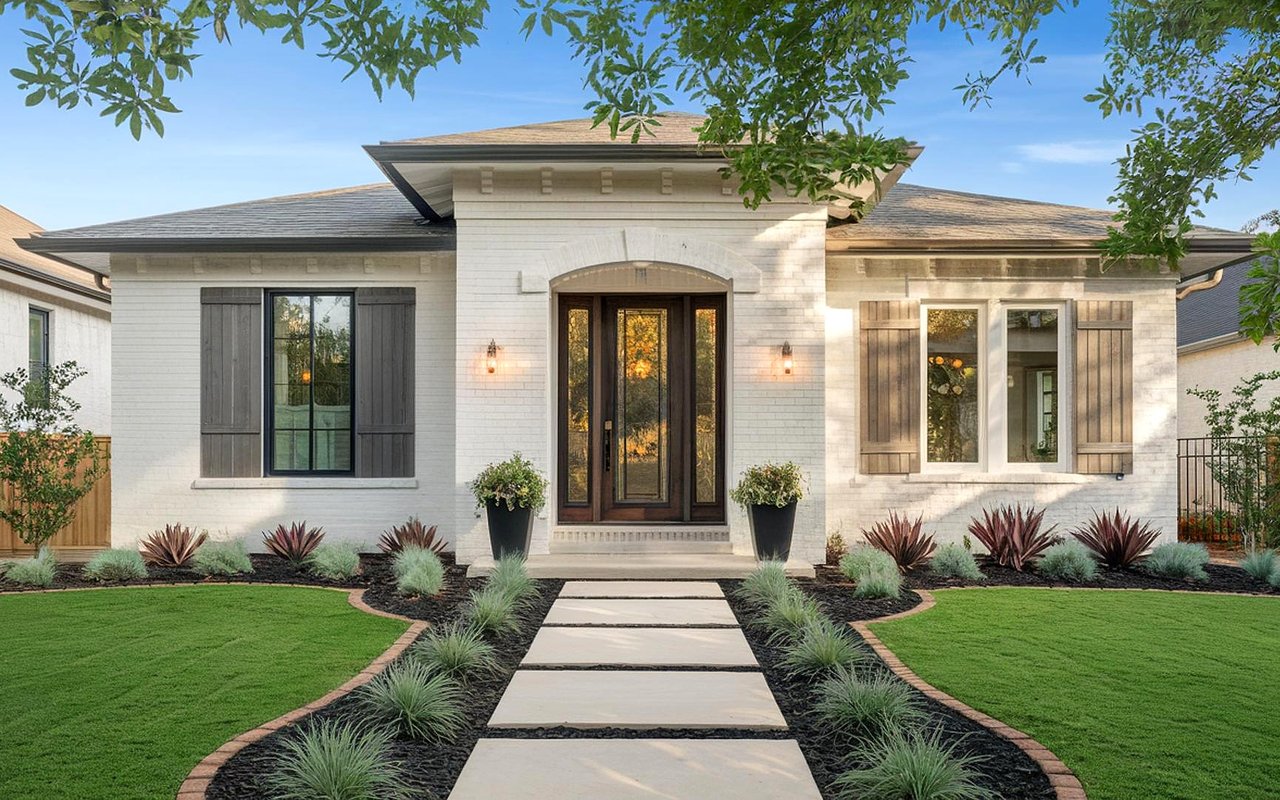
Tyler's historic housing stock isn't one thing, so the decor shouldn't be either. Most Azalea District homes went up between the 1920s and 1940s during the East Texas oil boom, in styles that run from Tudor and Colonial Revival to French Eclectic. The Brick Streets District, on the city's first paved streets, leans toward Craftsman bungalows and Prairie-style homes, while Charnwood, Tyler's oldest residential neighborhood, is Victorian and Queen Anne territory. The style you own should set the palette before you buy a single throw pillow.
Reading the style before you decorate
- Azalea District Tudors: Lean into warm, moody tones with iron and leaded-glass accents, and choose furnishings that suit arched doorways and casement windows instead of squaring off against them
- Brick Streets Craftsman bungalows: Let the exposed beams, built-ins, and wide porches lead, with quartersawn oak, earthy colors, and simple mission-style pieces
- Colonial Revival homes: Play up the symmetry with balanced furniture arrangements and classic millwork, echoing details like the circular windows Tyler architect Shirley Simon Sr. was known for
- Charnwood Victorians: Give the gingerbread trim, turrets, and fish-scale detailing room to breathe with rooms that feel rich but uncluttered
Hide the Modern, Show the Original
The homes that feel best in Tyler are the ones where the 21st century is present but invisible. The HVAC is quiet and efficient, the wiring is updated, the kitchen works for how you actually cook, and none of it competes with the plaster walls, transom windows, and heart-pine floors that make the house what it is. These homes are roughly a century old, so the goal is to feel the updates rather than see them.
Where to spend and where to restrain
- Kitchens and baths: Update these hardest-working rooms, but reach for Shaker cabinetry, honed stone, and unlacquered brass over trend-driven finishes that will look dated in five years
- Mechanical systems: Put real budget into efficient HVAC, updated electrical, and insulation you’ll never look at
- Lighting: Add recessed and task lighting where you need it while keeping original fixtures, transoms, and any leaded glass
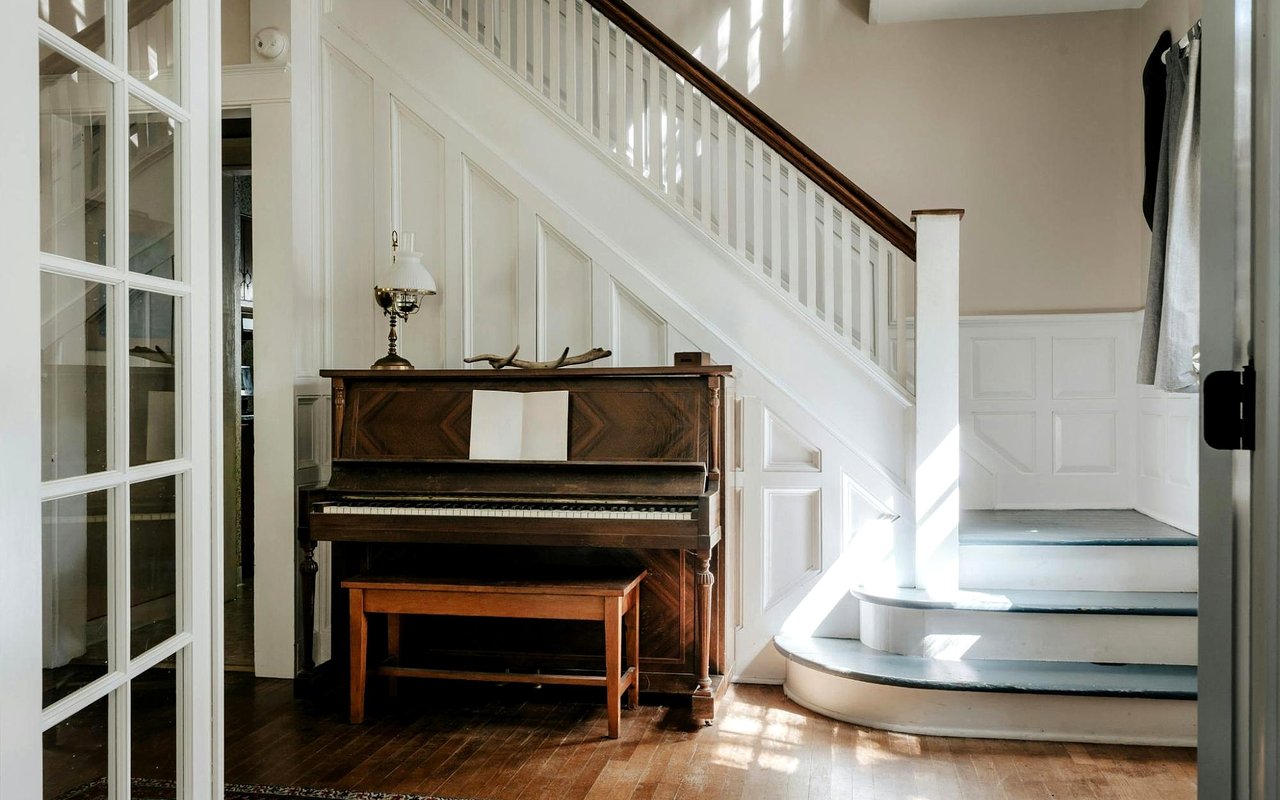
- Statement details: Let a restored mantel, an original staircase, or a run of heart-pine flooring be the thing guests remember
Restore Before You Replace
Tyler's older homes were built from materials that are hard or impossible to source today, including old-growth heart pine, solid-wood windows, and real plaster. Restoring them almost always beats swapping in modern substitutes, both for character and for value. With 950 historic homes in the Azalea District alone, buyers there are specifically shopping for originality.
What's worth saving
- Wood windows: Original single-pane wood windows, reglazed and weatherstripped, often outlast vinyl replacements and keep the facade historically correct
- Hardwood floors: Heart-pine and oak floors can be refinished many times over, so replacing them rarely makes sense
- Plaster and trim: Repairing plaster and original millwork preserves a texture and depth that flat drywall simply can't match
- Hardware and fixtures: Rehabbing original doorknobs, hinges, and light fixtures costs less than convincing reproductions and reads as authentic
Let the Neighborhood In
The best historic interiors borrow from what's outside the window. In the Azalea District, that means the dogwood and azalea color that draws visitors during the spring Azalea and Spring Flower Trail, and the brick streets residents fight to keep brick. Near Bergfeld Park, it's the shade of mature oaks. A home that acknowledges its setting feels rooted in a way a catalog interior never will.
Connecting inside to out
- Sightlines: Protect the views to the gardens and streetscapes these districts are known for, and don't cover windows that frame them
- Seasonal color: Echo the neighborhood's dogwood-and-azalea palette indoors with textiles you can swap out as the seasons change
- Porch living: Furnish the front porch as a real room, in keeping with how these blocks have been lived on for a century
- Natural materials: Bring in wood, stone, and greenery that feel at home under the East Texas tree canopy
FAQs
What design style suits a historic Tyler home best?
It depends on the house. A 1930s Azalea District Tudor calls for warm, moody tones with iron or leaded-glass accents, while a Brick Streets Craftsman bungalow wants earthy colors and simple mission-style pieces, and a Charnwood Victorian can carry far more ornament. Start with the architecture and let it lead.
Should I replace the old windows in my historic home?
Usually not. The original wood windows in Tyler's older homes were built from dense old-growth lumber, and once they're reglazed and weatherstripped, they often outperform and outlast vinyl replacements while keeping the facade correct. Replacing them can also work against you in a National Register district.
Are there rules about renovating in Tyler's historic districts?
There can be. Homes in Tyler's National Register districts and local overlay districts may carry preservation considerations, especially for exterior changes, so it's worth checking with the city and with Historic Tyler, Inc. before you start a project.
Reach Out to The Agency Tyler Today
A historic home in the Azalea, Brick Streets, or Charnwood district is one of the most rewarding places to live in East Texas, and decorating one is a chance to honor a century of craftsmanship while making it your own. We know these neighborhoods block by block, and we know what keeps these homes both livable and worth what buyers will pay for them.
If you're searching for a historic home in Tyler or reimagining one you already own, reach out to The Agency Tyler. We'll help you find the right home and get the most out of everything that makes it special.
If you're searching for a historic home in Tyler or reimagining one you already own, reach out to The Agency Tyler. We'll help you find the right home and get the most out of everything that makes it special.